
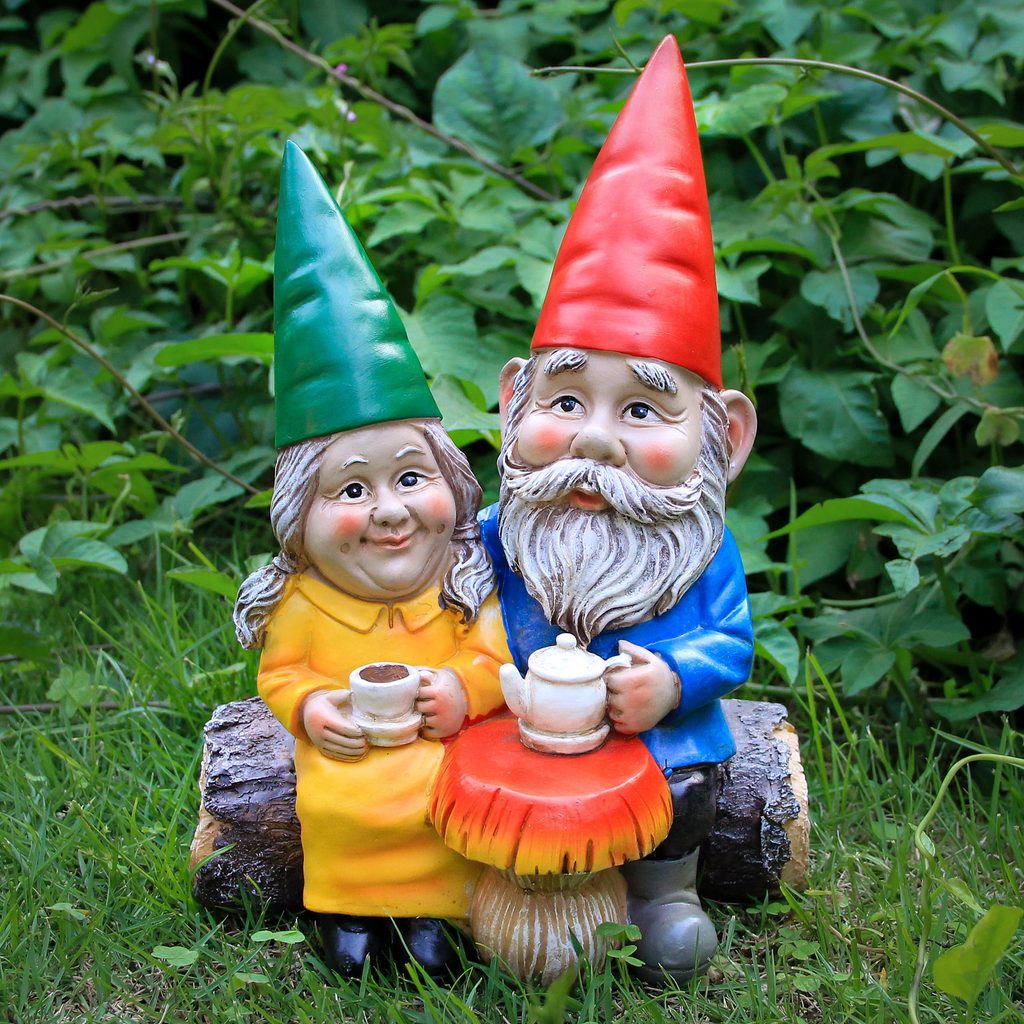
A practical buyer’s guide to garden gnomes and statues: which materials survive the weather, where to place them for the best effect, and how to keep them looking new for years.
Few things give a garden personality as quickly as a well-chosen gnome or statue. A cheerful gnome peeking out from under a hosta, a stone rabbit by the path, or a weathered figure beside the pond can turn an ordinary plot into a space that feels lived in and loved.
But not all garden ornaments are created equal. Some fade after one summer, others crack in the first frost. This guide walks you through the materials, sizes, styles and placement tricks that make the difference.
A Short History of the Garden Gnome
Garden gnomes trace their roots to 19th-century Germany, where craftsmen in Thuringia produced clay figures inspired by folklore about small earth spirits that guarded treasure and helped with the harvest. English gardeners brought them home in the 1840s, and the tradition spread across Europe and North America. Today gnomes range from classic red-hatted figures to hand-sculpted collectibles with names, stories and devoted fans.
That folklore is part of their charm: a gnome in the garden has long been seen as a small guardian watching over the plants.
Choosing the Right Material
The material decides how long your ornament will last and how it will look as it ages.
Resin is the most popular choice for gnomes because it captures fine detail such as beards, faces and tiny tools, and it is light enough to move around. Look for pieces described as hand-painted and UV-protected.
Concrete and cast stone are ideal if you want something that stays put and ages beautifully, gathering moss and lichen over time.
Ceramic pieces are often the most colourful but are the most vulnerable to frost. In cold winters, water seeps into tiny cracks, freezes and expands, splitting the piece.
Picking the Right Size
Scale is where many people go wrong. A tiny 15 cm gnome disappears in a large lawn, while a 1-metre statue overwhelms a small balcony.
- Small (10–25 cm): Containers, window boxes, fairy gardens and tucking among low plants.
- Medium (25–50 cm): Flower borders, beside steps and paths, near the front door.
- Large (50 cm and above): Focal points at the end of a lawn, by a pond or framed by shrubs.
A good rule: stand where you usually view the garden and ask whether the piece reads clearly from there. If you have to search for it, go bigger or move it closer.
Choosing a Style
Think about the overall mood of your garden before you buy.
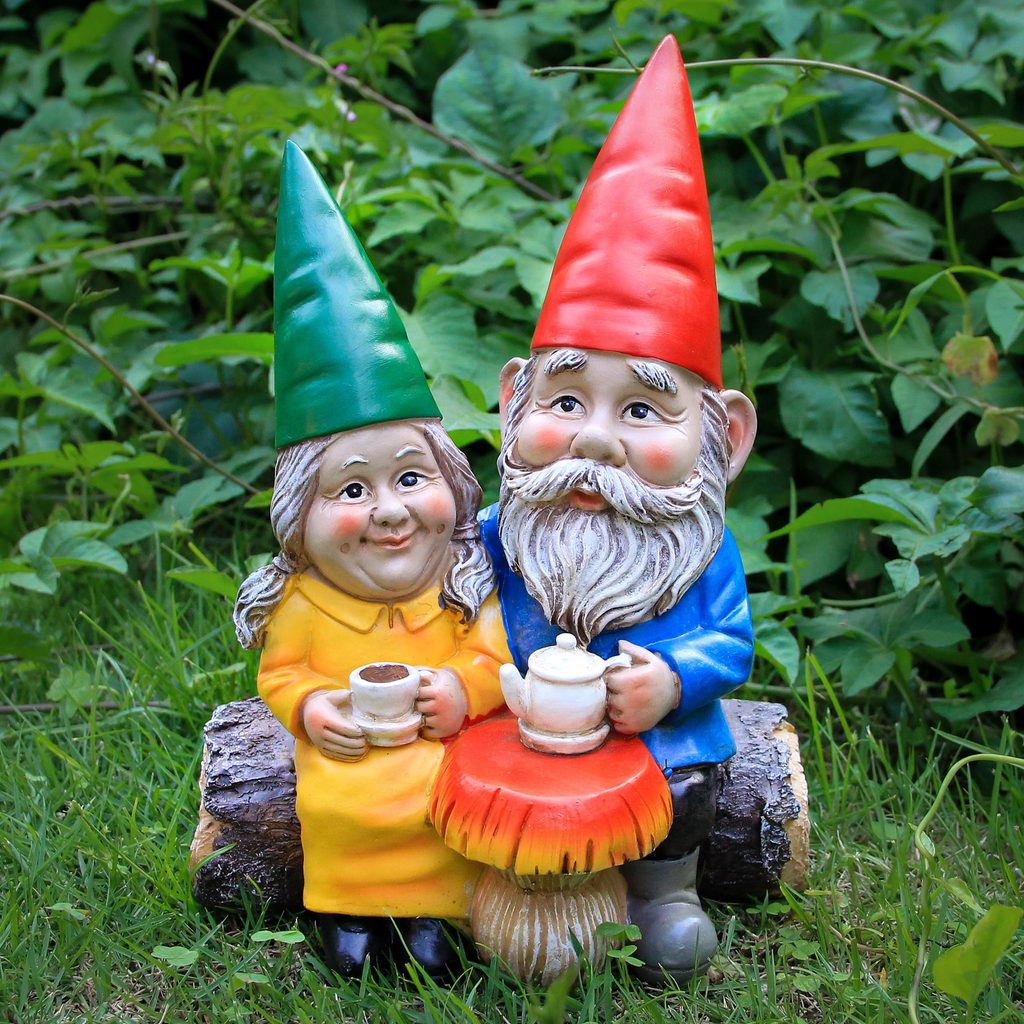
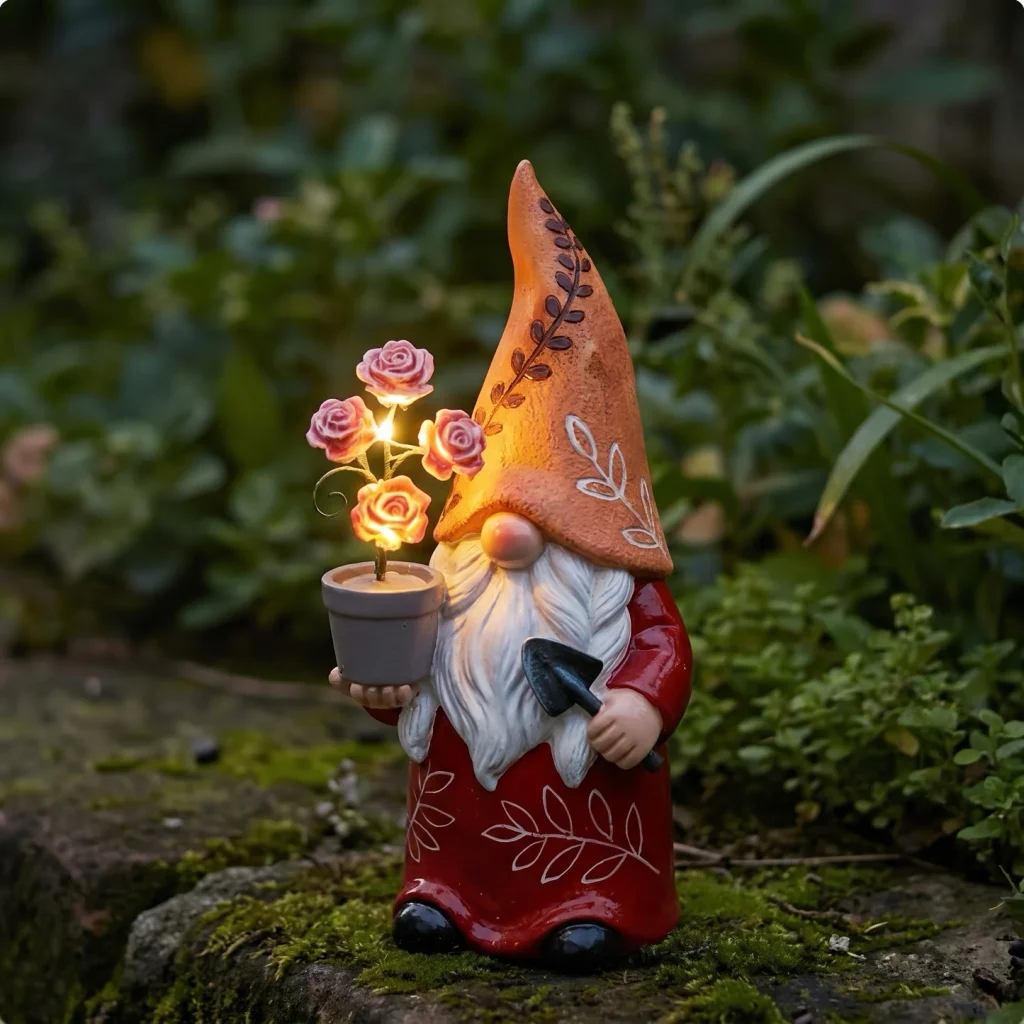
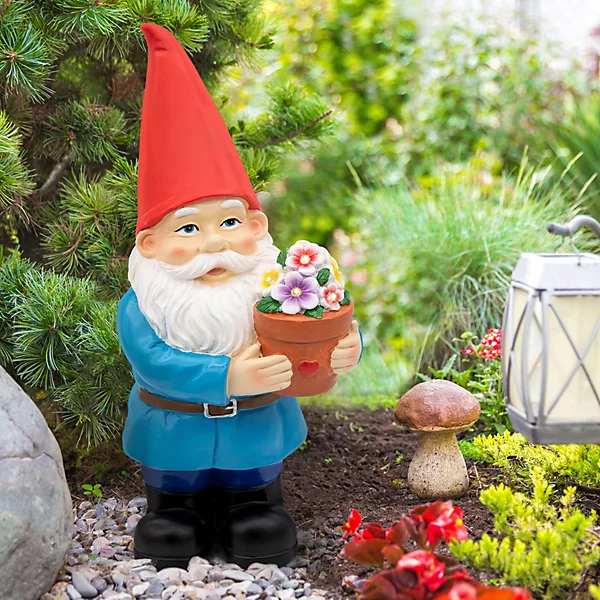
- Classic and traditional: Red-capped gnomes with lanterns, wheelbarrows or fishing rods suit cottage gardens and vegetable patches.
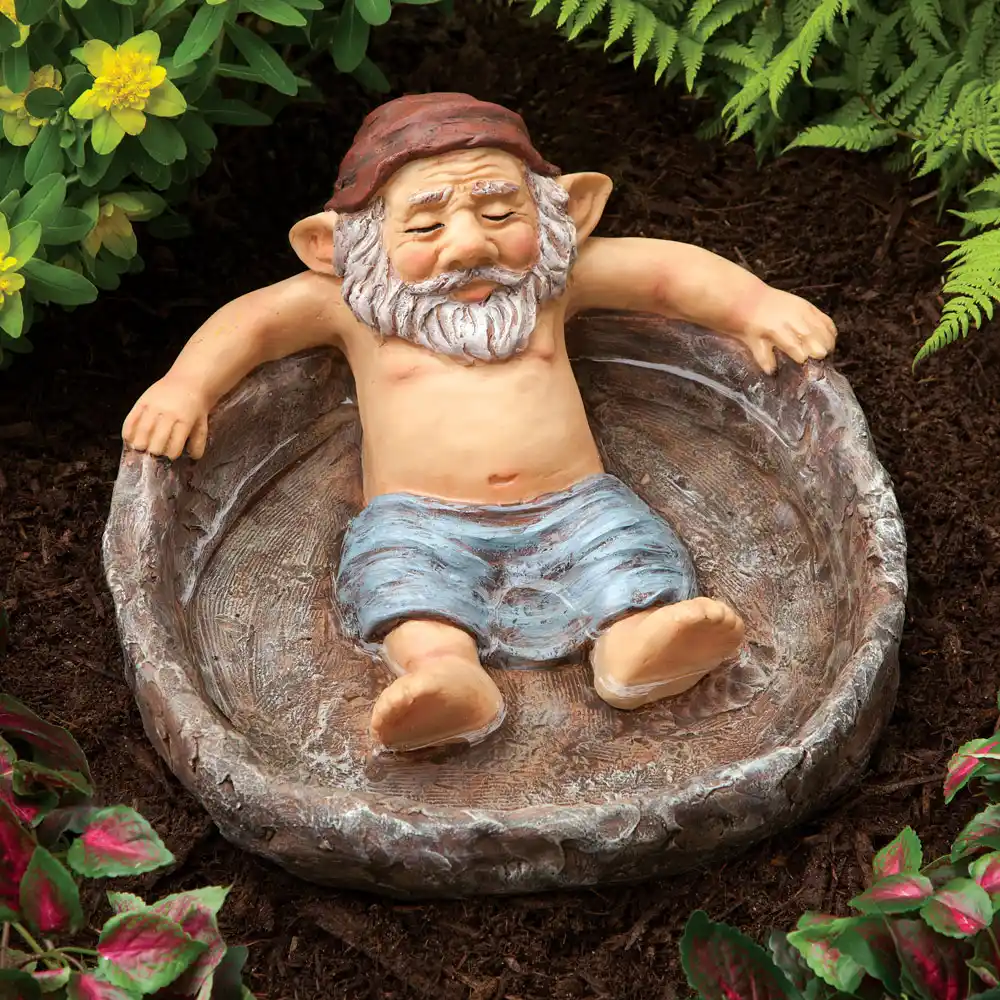
- Whimsical and humorous: Gnomes on bikes, reading books or napping in hammocks add fun near patios and play areas.
- Woodland and fairy: Mushrooms, toadstool houses, owls, hedgehogs and small figures suit shady corners.
- Elegant and classical: Stone cherubs, birdbaths, urns and animal figures suit formal gardens and lawns.
- Collectible: Hand-sculpted, limited-edition gnomes are as much a hobby as a decoration. Collectors often display them in sheltered spots to protect their value.
Mixing too many styles in one bed can look cluttered. Group pieces with a shared theme or colour palette for a cleaner effect.
Where to Place Garden Gnomes and Statues
Placement is what turns a decoration into a feature.
- Create a surprise. Tuck a small gnome under ferns or between pots so visitors discover it. Half-hidden pieces feel more natural than ones standing in the open.
- Mark a path or entrance. A pair of statues either side of a gate or steps frames the view and welcomes guests.
- Make a focal point. Place a larger statue where the eye naturally lands, such as the end of a path or the far edge of the lawn.
- Tell a story. Arrange several gnomes as a scene: one fishing by the pond, another pushing a barrow along the border.
- Use height. Raise smaller pieces on a stone, stump or plinth so they are not lost among plants.
- Think about the light. Bright colours glow in sunny beds but fade faster there; stone and metal pieces handle full sun best.
How to Care for Garden Ornaments
A little care each year keeps your gnomes and statues looking their best.
- Clean gently. Use a soft brush, mild soapy water and a rinse. Avoid pressure washers and harsh chemicals, which strip paint.
- Reseal painted pieces. A clear, UV-resistant outdoor sealant applied once a year slows fading.
- Touch up chips. Acrylic outdoor paint fixes small chips; seal afterwards.
- Protect from frost. Bring ceramic and delicate resin pieces into a shed or garage for winter, or at least raise them off wet ground.
- Secure against wind and theft. Anchor lightweight pieces with a stake, adhesive or a little gravel inside a hollow base.
Final Thoughts
The best garden ornaments match your garden’s size, style and climate. Choose durable materials for exposed spots, size pieces for the view, and place them where they tell a small story. With a bit of yearly care, a good gnome or statue will keep you company in the garden for many seasons to come.
Don’t forget to check out our authors’ featured picks!
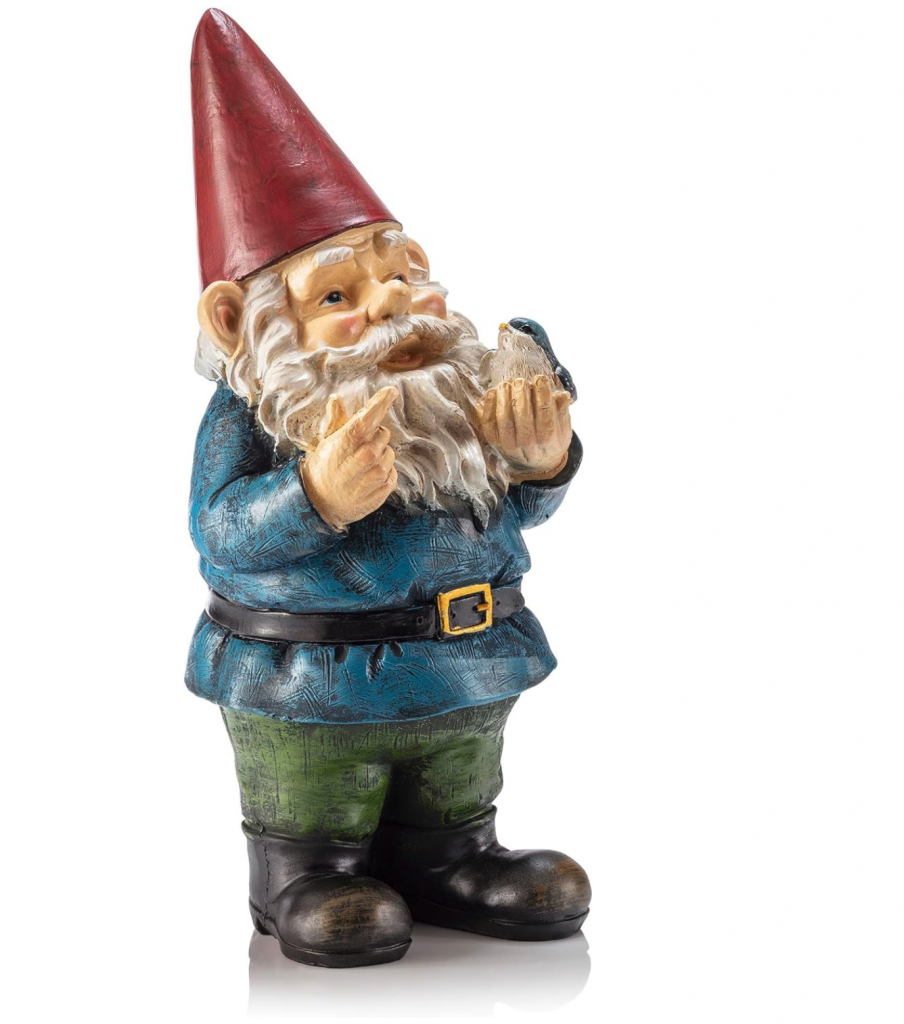
Bird Whisperer Gnome – Hand-Painted Resin Garden Statue
This cheerful old gnome has a soft spot for feathered friends. With a bushy white beard, red pointed cap, blue coat and green trousers, he cradles a tiny bird in one hand and raises the other as if sharing a quiet story. The rich, hand-painted detail stands out among flowers, ferns and potted plants. He suits a cottage garden, a shady woodland corner or a spot near the bird feeder. Made from durable resin for outdoor display, he’s a charming gift for gardeners, bird watchers and anyone who loves classic gnome style.